
The World’s Most Luxurious New Hotels (2026)
From €11,000-a-night island escapes to ultra-private eco-retreats, a new definition of luxury is emerging
THE BILLIONAIRE'S PRIVATEFINE DINING & GASTRONOMYFEATURED DESTINATIONS
George Soulage
4/24/20263 min read
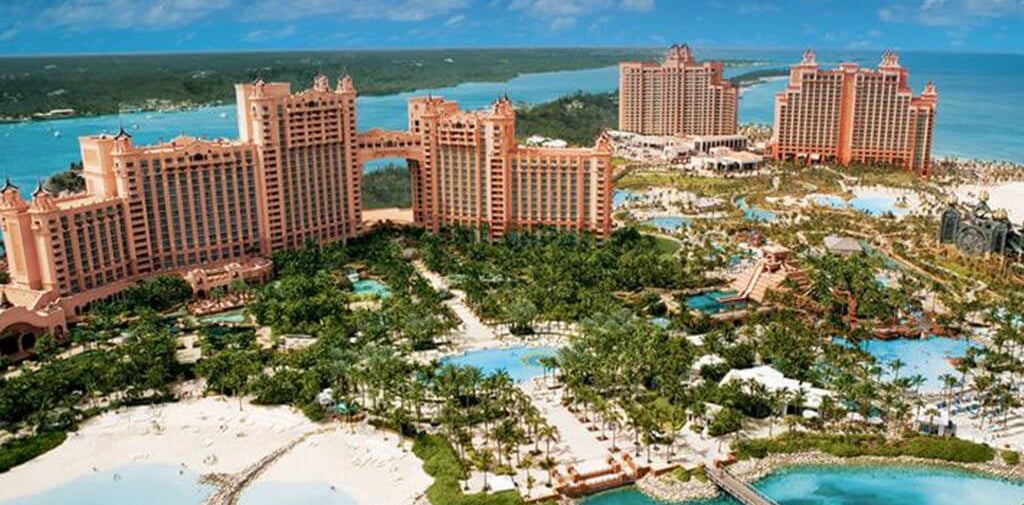
In 2026, the global luxury hotel landscape is no longer defined by marble lobbies or gold-plated finishes. Instead, a new class of properties is emerging—one that blends extreme exclusivity, environmental intelligence, and deeply personalized experiences.
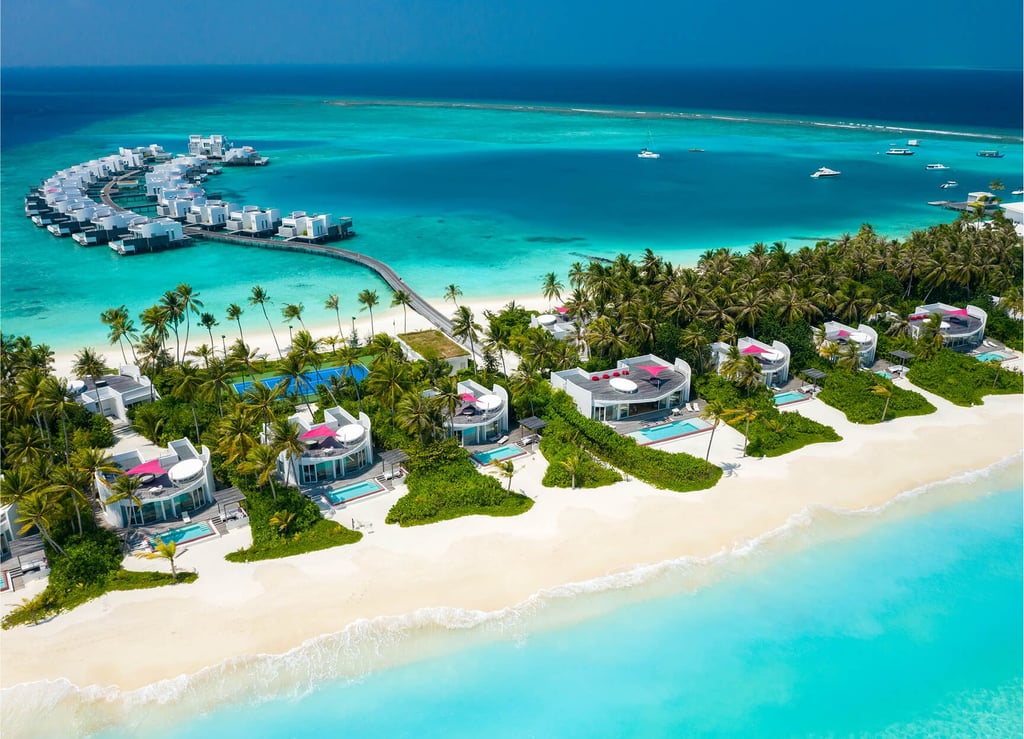
At the top end of this evolution are hotels commanding up to €11,000 per night, particularly in destinations like the Maldives. But the price tag alone does not explain the phenomenon. What truly defines these new luxury hotels is not cost—it is scarcity, privacy, and purpose.
The €11,000 Experience: What Are Guests Really Paying For?
At first glance, a five-figure nightly rate may seem excessive. In reality, it reflects a complete reengineering of the hospitality experience.
Guests at this level are not simply booking a room. They are securing:
Entire private villas or multi-bedroom residences
Dedicated staff, including personal chefs, butlers, and wellness experts
Absolute seclusion, often on private islands or restricted-access zones
Fully customized itineraries designed around personal preferences
The emphasis is clear: total control over time, space, and experience.
The Maldives: Still the Epicenter of Ultra-Luxury
The Maldives continues to lead the world in high-end hospitality innovation. New resorts are pushing boundaries in both design and service, offering:
Overwater villas with expansive living spaces and uninterrupted ocean views
Private infinity pools, direct lagoon access, and integrated indoor-outdoor environments
Bespoke experiences, from underwater dining to curated marine excursions
However, the most notable shift is the integration of sustainability at a structural level. Many of these properties are built using eco-conscious materials and operate with renewable energy systems, aligning ultra-luxury with environmental stewardship.
The Rise of Luxury Ecolodges
Beyond island destinations, another powerful trend is reshaping the industry: the emergence of high-end ecolodges.
These properties combine:
Minimal environmental impact
Immersive natural settings—jungles, mountains, remote coastlines
Architectural designs that blend into the surrounding landscape
What distinguishes luxury ecolodges in 2026 is their ability to deliver comfort without compromise, while maintaining a strong commitment to conservation and local communities.
Here, luxury is measured not by excess, but by authenticity and connection to nature.
Ultra-Private Camps: Redefining Seclusion
In regions such as Africa and parts of Asia, ultra-private camps are gaining momentum among high-net-worth travelers.
These experiences offer:
Limited accommodations—sometimes as few as 5 to 10 suites
Personalized safari or exploration programs
Direct interaction with wildlife and natural ecosystems
Privacy is absolute. The environment is unspoiled. And the experience is deeply personal.
For many travelers, these camps represent the ultimate luxury: distance from the world without losing access to comfort.
The Shift Toward “Invisible Luxury”
A defining characteristic of 2026’s most luxurious hotels is what industry insiders describe as “invisible luxury.”
This concept prioritizes:
Seamless service that anticipates needs without intrusion
Discreet design that emphasizes space, light, and natural materials
Experiences that feel effortless, even when highly complex behind the scenes
The goal is not to impress through visible extravagance, but to create a sense of ease, calm, and exclusivity.
A New Profile of Luxury Travelers
The clientele driving this trend is evolving as well.
Today’s ultra-luxury traveler is:
Experience-driven rather than status-driven
Increasingly conscious of sustainability and social impact
Seeking privacy and security in a highly connected world
This shift is influencing how hotels are designed, marketed, and operated.
Strategic Implications for the Industry
For the global hospitality sector, these developments point to a clear direction:
Growth is concentrated in ultra-premium, low-density properties
Differentiation depends on experience design and location uniqueness
Sustainability is becoming a non-negotiable standard rather than a competitive advantage
In short, the industry is moving away from traditional luxury models toward a more refined, experience-led ecosystem.
Conclusion: Luxury Redefined
The world’s most luxurious new hotels in 2026 are not simply places to stay—they are destinations in their own right.
Whether it is a €11,000-a-night villa in the Maldives, a secluded ecolodge deep in the rainforest, or an ultra-private camp on the African savannah, each property represents a new philosophy:
Luxury is no longer about having more.
It is about experiencing better.
And in this new era, the highest level of luxury is not what you see—it is what you feel:
space, silence, and a profound connection to the world around you.
lux Voyage Hub
A destination for those who demand the extraordinary — curating the world's finest travel experiences since 2024.
Discover
Experiences
contact@luxvoyagehub.com
+33 0763725182
© 2026. All rights reserved. nothingconcepts
Company