
The Hotel of 2030: No Reception, No Waiting, Just You
The Future of Luxury Hotels: AI, Personalization, and Seamless Guest Experience by 2030
FEATURED DESTINATIONSFIRST CLASS WORLD
4/24/20263 min read
For over a century, the hotel experience has followed a ritual: arrival, reception, paperwork, waiting. Even in luxury properties, friction has been part of the process.
That ritual is disappearing.
The hotel of 2030 is built around a simple principle: your presence is your passport. Facial recognition, biometric identity, and pre-synced profiles will allow guests to move from arrival to room in seconds—without stopping, without speaking, without waiting.
The first impression will no longer be a desk. It will be effortlessness.
A Room That Knows You
In the next generation of luxury hospitality, personalization will no longer be requested. It will be automatic.
Your room will adjust before you enter:
Temperature calibrated to your preference
Lighting aligned with your circadian rhythm
Music or silence based on your habits
Fragrance tailored to your profile
Technology providers like Oracle Hospitality and Amadeus IT Group are already building the infrastructure for these intelligent environments.
The result is not customization. It is recognition.
Invisible Service as the New Standard
The most advanced luxury hotels will not feel more active. They will feel quieter.
Service will shift from visible to invisible:
Requests anticipated before being made
Staff alerted through AI-driven insights
Housekeeping synchronized with your schedule
Dining prepared based on past preferences
At brands like Four Seasons Hotels and Resorts, the integration of digital intelligence with human service is already redefining expectations.
Luxury will no longer be about how much is offered, but how little you need to ask.
The Rise of the AI Concierge
The concierge desk will not disappear—it will evolve.
Instead of standing in a lobby, it will live in your device, your room, and the hotel ecosystem itself.
An AI concierge will:
Design your itinerary in real time
Adjust plans based on weather, mood, or schedule
Recommend experiences aligned with your identity
Coordinate transportation, dining, and activities seamlessly
This is not assistance. It is continuous orchestration.
Designing for Flow, Not Space
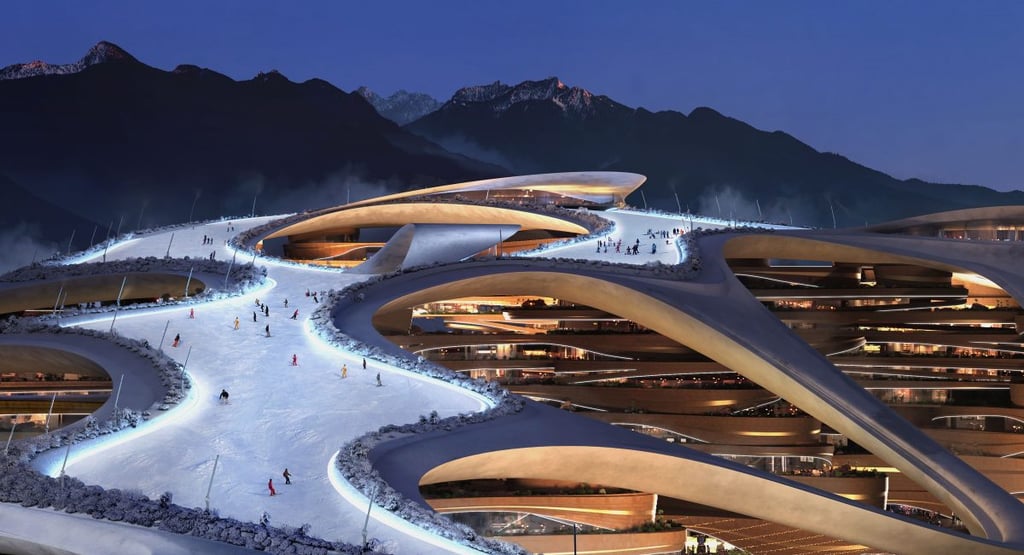
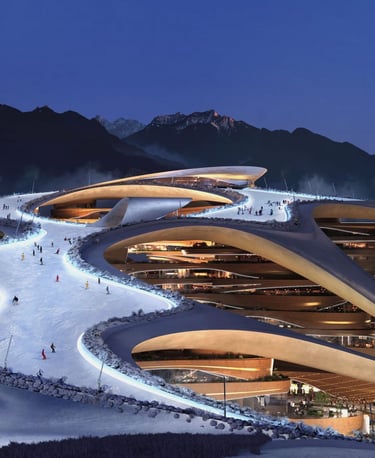
Hotel architecture will also change.
Instead of grand lobbies and formal spaces, hotels will prioritize movement and flow:
Direct room access from arrival points
Modular spaces that adapt to guest needs
Hybrid environments blending private and social areas
The goal is not to impress at a distance, but to remove every barrier between you and your experience.
Wellness Embedded, Not Added
By 2030, wellness will not be a separate offering. It will be embedded into the hotel’s core design.
Guests will experience:
Sleep-enhancing room environments
Nutrition guided by personal health data
On-demand wellness programs integrated into daily routines
Spaces designed for mental clarity and recovery
Luxury will shift from indulgence to optimization of well-being.
Data, Trust, and Control
All of this innovation depends on one critical element: data.
Hotels will rely on deep guest profiles, behavioral insights, and real-time inputs to deliver seamless experiences. But with this comes a new definition of luxury: control over your own data.
Guests will expect:
Full transparency on how data is used
The ability to customize or limit personalization
Secure, encrypted systems protecting identity
Trust will become as important as comfort.
Sustainability as a Core Expectation
The hotel of 2030 will also be defined by responsibility.
Energy efficiency, sustainable materials, and low-impact operations will no longer be optional—they will be standard.
Luxury travelers will increasingly choose properties that align with their values, making sustainability a key driver of brand positioning.
From Stay to Experience Ecosystem
Hotels will no longer operate as isolated spaces. They will become part of a connected travel ecosystem.
Your experience will extend beyond the room:
Airport transfers synchronized with your arrival
Local experiences curated automatically
Retail, dining, and entertainment integrated into your profile
The hotel becomes a hub, not a destination.
Conclusion: The Disappearance of Friction
The hotel of 2030 will not feel more luxurious because it offers more.
It will feel more luxurious because it removes more—more waiting, more decisions, more effort.
In this new era, the highest form of service is invisibility.
Because the future of luxury is not about being served.
It is about never needing to ask.
lux Voyage Hub
A destination for those who demand the extraordinary — curating the world's finest travel experiences since 2024.
Discover
Experiences
contact@luxvoyagehub.com
+33 0763725182
© 2026. All rights reserved. nothingconcepts
Company