
Lebanon’s Tourism Renaissance: Opening New Gateways by Air and Sea
For decades, Lebanon’s greatest strategic asset has been its geography. Positioned at the crossroads of Europe, the Arab world, and the Eastern Mediterranean, the country historically served as a regional hub for commerce, tourism, and cultural exchange. Yet years of economic crisis, political instability, and regional conflict gradually isolated Lebanon from many of its traditional markets.
INTELLECTUAL EXPEDITIONSFEATURED DESTINATIONS
6/22/20263 min read
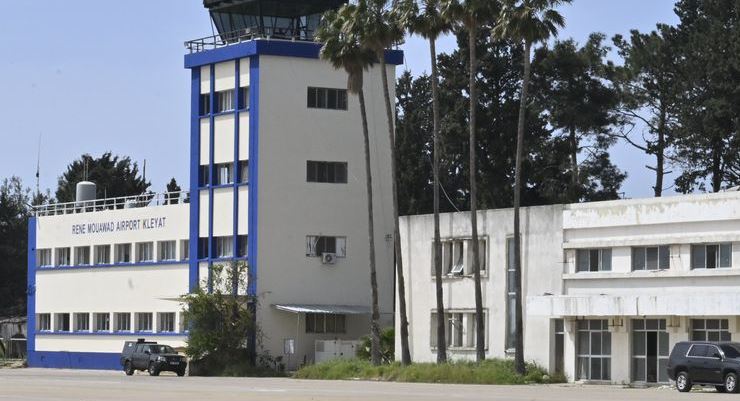
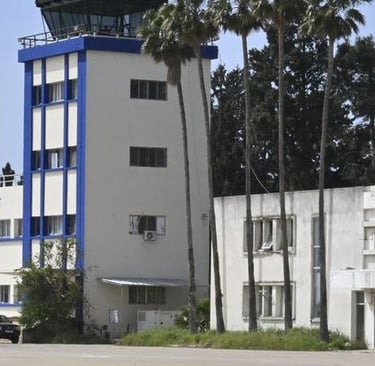
Today, however, a new chapter is beginning to emerge. A series of major transportation initiatives—ranging from the reopening of a second international airport to the launch of new maritime routes and the introduction of low-cost aviation—are creating the foundations for what could become a genuine revival of Lebanon’s tourism industry.
A Second Airport Opens New Horizons
The most significant development is the activation of René Moawad Airport in Qlayaat, in northern Lebanon. Long discussed but never fully utilized, the airport is now positioned to become the country’s second civilian aviation gateway alongside Beirut-Rafic Hariri International Airport.
The importance of the project extends far beyond transportation. It represents a strategic investment in regional development, particularly for northern Lebanon, while reducing pressure on Beirut’s airport and increasing the country’s overall capacity to welcome visitors.
For international travelers, the addition of a second airport enhances accessibility and offers new opportunities for direct connections to Lebanon’s coastal, mountain, and cultural destinations. For the tourism sector, it provides a critical piece of infrastructure that many successful tourism economies take for granted: multiple points of entry.
The Return of Maritime Tourism
At the same time, Lebanon is rediscovering its historic relationship with the Mediterranean.
The recent launch of a regular ferry service from the coastal city of Jounieh reconnects Lebanon with Cyprus, the Turkish port of Mersin, and the Syrian port of Latakia. More than a transportation project, the initiative revives a maritime tradition that once played a central role in the economic life of the Eastern Mediterranean.
The new routes create an alternative travel experience, allowing tourists to move between countries by sea while enjoying the region’s unique coastal landscape. They also open the door to multi-destination tourism packages linking Lebanon with neighboring Mediterranean markets.
In practical terms, the ferry connection to Cyprus offers a convenient and attractive option for travelers seeking short regional getaways, while the broader network strengthens Lebanon’s position as a natural crossroads between Europe and the Levant.
Entering the Era of Low-Cost Aviation
The third pillar of Lebanon’s emerging tourism strategy is the arrival of low-cost air travel.
The establishment of a new Lebanese low-cost airline operating alongside Middle East Airlines (MEA) marks a significant transformation in the country’s aviation sector. For the first time, Lebanon is positioning itself to compete within the rapidly expanding low-cost travel market that has reshaped tourism patterns across Europe, the Middle East, and Asia.
Lower airfares are expected to make Lebanon more accessible to a wider range of travelers, including young tourists, families, students, and members of the Lebanese diaspora. At the same time, expanded route networks could connect Beirut directly to a greater number of international destinations, increasing visitor flows throughout the year rather than concentrating tourism in the summer season.
Global experience demonstrates that affordable air travel is often one of the most powerful drivers of tourism growth. Countries that successfully integrate low-cost carriers into their transportation ecosystem frequently experience substantial increases in visitor numbers, hotel occupancy, and tourism-related investment.
More Than Transportation
Taken individually, each of these projects is important. Together, they represent something far more significant: the gradual reconstruction of Lebanon’s tourism infrastructure.
A second international airport, renewed maritime connectivity, and expanded low-cost aviation collectively signal a strategic effort to reconnect Lebanon with regional and global markets. They strengthen the country's competitiveness at a time when travelers increasingly value accessibility, flexibility, and affordability.
Most importantly, these developments reinforce Lebanon’s historic role as a gateway between East and West—a role that has shaped its identity for centuries.
A Window of Opportunity
The success of this transformation will ultimately depend on stability, investment, and effective coordination between the public and private sectors. Infrastructure alone cannot create a tourism renaissance. It must be accompanied by modern hospitality services, destination marketing, cultural preservation, and a long-term national tourism strategy.
Yet the direction is unmistakable.
After years of crisis and uncertainty, Lebanon is beginning to reopen its doors to the world—not through a single gateway, but through an expanding network of airports, ports, and transportation links. If managed effectively, these initiatives could mark the beginning of a new era in which tourism once again becomes one of the primary engines of Lebanese economic growth.
For a country whose history has always been tied to movement, exchange, and openness, the message is clear: Lebanon is reconnecting with the Mediterranean—and with the world.
lux Voyage Hub
A destination for those who demand the extraordinary — curating the world's finest travel experiences since 2024.
Discover
Experiences
contact@luxvoyagehub.com
+33 0763725182
© 2026. All rights reserved. nothingconcepts
Company